
Share this
Chemical Filling Safety: Equipment Design Essentials for Corrosive Products
by APEX Filling Systems on Jun 05, 2025
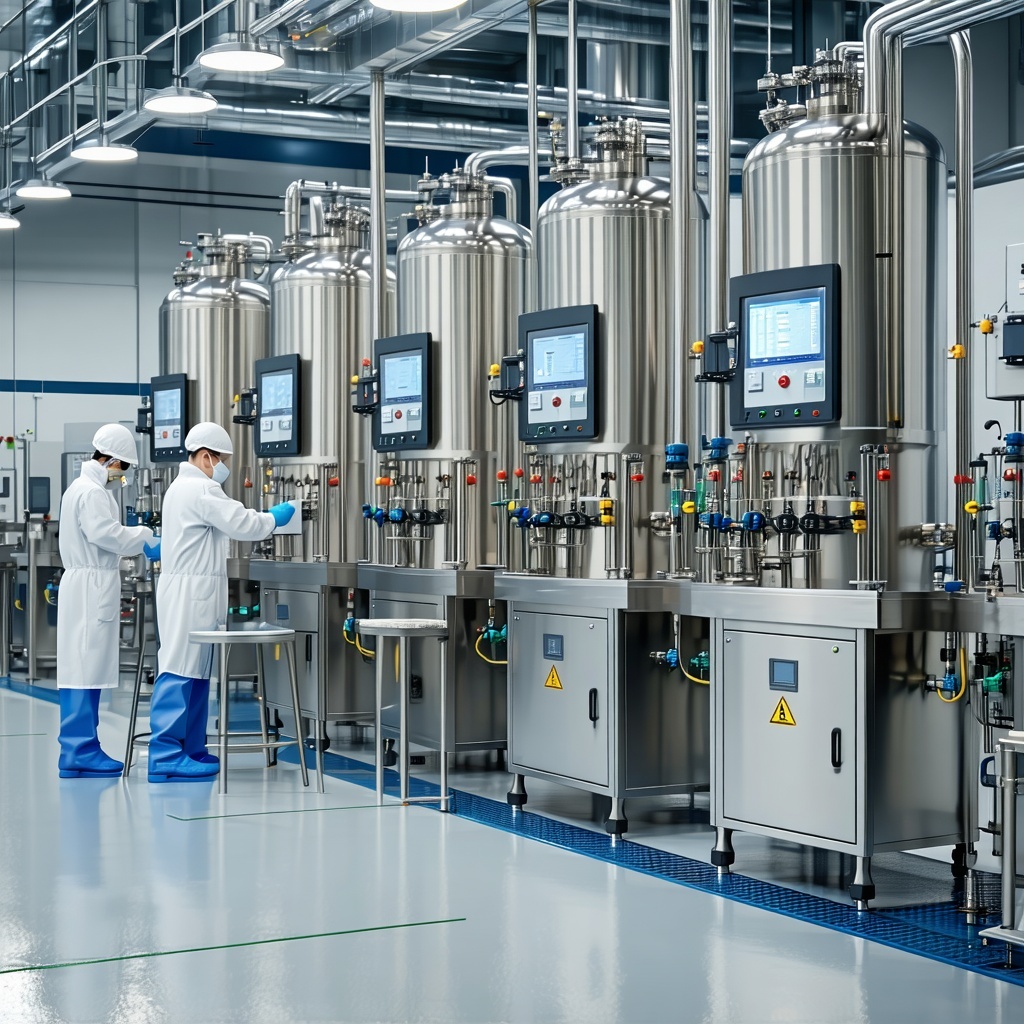
Handling hazardous chemicals is never a task to take lightly. For manufacturers and processors dealing with corrosive, volatile, or toxic liquids, safety isn’t just a priority—it’s a necessity. At Apex Filling Systems, we understand that choosing the right equipment can make all the difference between smooth operations and serious risks.
This guide breaks down the key equipment design essentials you should consider when filling corrosive chemical products.
Why Corrosive Products Require Specialized Filling Solutions
Corrosive liquids—like strong acids, bleach, cleaning agents, solvents, and certain industrial chemicals—can degrade standard materials, cause leaks, and pose health and environmental hazards. These materials demand equipment that is:
-
Chemically resistant
-
Easy to clean and inspect
-
Reliable under harsh conditions
-
Designed to contain fumes or prevent splashes
1. Material Compatibility is Non-Negotiable
The most important design choice when handling corrosive products is the material of construction. Stainless steel, while commonly used for food and beverage, may not stand up to highly acidic or alkaline chemicals. For chemical filling:
-
HDPE and UHMW plastic components are ideal for strong acids or caustics.
-
PVC, PVDF, or Teflon-coated parts provide extra resistance in highly aggressive environments.
-
316L stainless steel is preferred for some corrosive solvents and higher-grade chemicals.
Tip: Always consult a chemical compatibility chart when specifying equipment for a new product.
2. Containment and Ventilation for Fumes
Corrosive products often release vapors or fumes that can be harmful to operators or the environment. Proper containment and fume management design includes:
-
Enclosed fill heads or no-drip nozzles
-
Integrated exhaust or ventilation ports
-
Splash guards and drip trays
-
Options for vapor recovery systems
3. Non-Contact or Bottom-Up Filling Options
To minimize splashing and foam buildup (common with corrosive or volatile liquids), many manufacturers benefit from:
-
Bottom-up filling nozzles that rise with the product level
-
No-drip or diving nozzles that reduce spillage
-
Non-contact fill sensors to prevent overflow without risking contamination
These features protect both product quality and operator safety.
4. Easy Maintenance with Safety in Mind
Maintenance is unavoidable—but how it’s designed makes all the difference. Look for:
-
Tool-free disassembly to reduce exposure risk
-
Quick-clean valves and hoses with flush ports
-
Visible wear parts that are easy to inspect and replace
-
Integrated emergency shutoff and lockout features
Equipment should allow for fast, safe changeovers with minimal chemical handling.
5. Automated Systems Reduce Human Risk
Manual filling methods introduce unnecessary exposure and risk when dealing with hazardous liquids. Semi-automatic and fully automated systems:
-
Reduce the need for direct contact
-
Improve accuracy to prevent overfilling
-
Offer programmable settings to handle multiple products
-
Can be integrated with remote monitoring and control systems
At Apex, we customize systems based on your chemical properties, container types, and production goals.
How Apex Filling Systems Supports Chemical Manufacturers
Whether you’re a chemical startup expanding from manual processes or a large-scale operation optimizing throughput, Apex Filling Systems offers:
✅ Custom-built corrosion-resistant machines
✅ Engineering support for product compatibility
✅ In-house testing and validation
✅ Operator safety training resources
✅ Ongoing parts and maintenance support
Final Thoughts
Safe chemical packaging starts with smart equipment choices. With the right materials, designs, and automation in place, you can protect your team, reduce downtime, and deliver consistent product every time.
Ready to upgrade your chemical filling line with safety at the forefront?
Share this
- Help First (97)
- Apex Filling Systems (78)
- Filling Equipment (76)
- Informational (70)
- Automatic Filling Machine (59)
- Industry Insights (59)
- Packaging Equipment (47)
- About Apex (20)
- American Made Goods (20)
- Fillers (18)
- Automatic Capping (11)
- Apex Filling (10)
- Apex (7)
- Uncategorized (5)
- Apex Team (3)
- Apex Family (2)
- Absolute Truth (1)
- Apex Way (1)
- Petroleum (1)
- oil (1)
- August 2026 (1)
- July 2026 (5)
- June 2026 (4)
- May 2026 (5)
- April 2026 (4)
- March 2026 (4)
- February 2026 (1)
- January 2026 (2)
- December 2025 (4)
- November 2025 (4)
- October 2025 (5)
- September 2025 (3)
- June 2025 (3)
- May 2025 (6)
- April 2025 (10)
- March 2025 (10)
- February 2025 (12)
- January 2025 (14)
- December 2024 (1)
- November 2024 (4)
- October 2024 (4)
- September 2024 (2)
- August 2024 (1)
- July 2024 (4)
- October 2022 (1)
- September 2022 (1)
- June 2022 (1)
- October 2021 (2)
- June 2021 (1)
- May 2021 (1)
- April 2021 (2)
- March 2021 (2)
- February 2021 (1)
- January 2021 (2)
- November 2020 (1)
- October 2020 (1)
- September 2020 (2)
- August 2020 (1)
- July 2020 (1)
- June 2020 (1)
- May 2020 (1)
- April 2020 (2)
- March 2020 (2)
- February 2020 (2)
- January 2020 (3)
- December 2019 (2)
- November 2019 (6)
- October 2019 (4)
- September 2019 (3)
- August 2019 (6)
- July 2019 (2)
- April 2019 (1)
- February 2019 (1)
- January 2019 (7)
- December 2018 (6)
- November 2018 (5)
- October 2018 (2)
- September 2018 (2)
- August 2018 (1)
- July 2018 (3)
- May 2018 (2)
- April 2018 (1)
- March 2018 (2)
- February 2018 (2)
- January 2018 (2)