
Share this
How to Reduce Operator Error on Filling Lines
by APEX Filling Systems on May 15, 2026
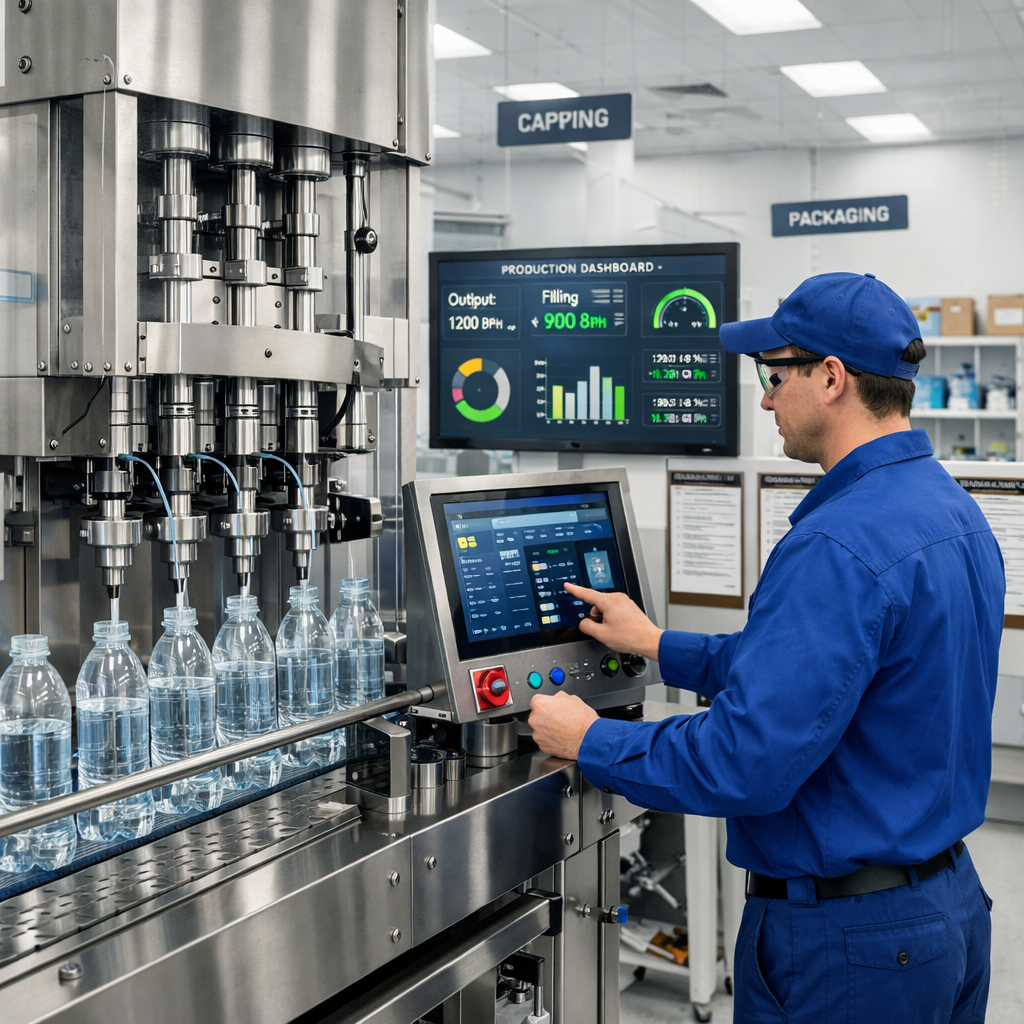
Even the most advanced liquid packaging equipment depends on one critical factor: the people operating it. Operator error remains one of the leading causes of inefficiency, product waste, downtime, and quality issues on filling lines.
As production demands increase and packaging lines become more complex, reducing operator error is not just about training—it’s about designing systems, processes, and environments that support consistent, accurate performance.
Here’s how manufacturers can systematically reduce operator error and improve overall line efficiency.
Why Operator Error Matters
Operator error can impact nearly every stage of the packaging process:
- Incorrect fill settings
- Improper changeovers
- Misaligned containers
- Inconsistent capping or labeling
- Failure to respond quickly to issues
The consequences include:
- Product waste and overfill
- Increased downtime
- Higher reject rates
- Equipment wear and damage
- Compliance risks
Reducing these errors leads to measurable improvements in throughput, cost control, and product quality.
1. Simplify Machine Interfaces
One of the most effective ways to reduce operator error is to make equipment easier to use.
Best Practices:
- Use intuitive HMIs (Human Machine Interfaces)
- Implement clear, visual controls and indicators
- Minimize unnecessary manual inputs
- Standardize layouts across machines
Operators should be able to quickly understand machine status and make adjustments without confusion.
Simple, user-friendly interfaces reduce mistakes and improve response time.
2. Use Recipe-Based Automation
Manual setup is one of the most common sources of error—especially in operations with multiple SKUs.
Solution:
Implement recipe-based systems that allow operators to:
- Select pre-programmed settings for each product
- Automatically adjust fill volumes, speeds, and timing
- Reduce guesswork during changeovers
This ensures consistency across production runs and minimizes the risk of incorrect settings.
3. Standardize Changeover Procedures
Changeovers are high-risk moments for operator error.
Common Issues:
- Incorrect machine adjustments
- Missed steps in the process
- Inconsistent setup between operators
Improvements:
- Develop step-by-step standardized procedures
- Use visual guides or checklists
- Incorporate tool-less adjustments where possible
Consistency in changeovers leads to faster setups and fewer errors.
4. Implement Visual Dashboards and Alerts
Operators perform better when they have clear, real-time visibility into production.
Key Features:
- Fill accuracy indicators
- Machine status alerts
- Performance metrics (OEE, throughput)
- Fault notifications
Visual dashboards allow operators to identify and correct issues immediately—before they escalate.
5. Improve Training Programs
Training should go beyond basic operation.
Focus Areas:
- Understanding how the entire line works
- Recognizing early warning signs of issues
- Proper response to alarms and faults
- Best practices for changeovers and maintenance
Ongoing training ensures operators stay confident and capable as equipment and processes evolve.
6. Design for Error Prevention (Poka-Yoke)
Error-proofing, or “poka-yoke,” involves designing systems that prevent mistakes before they happen.
Examples:
- Sensors that detect missing or misaligned containers
- Automatic shutoffs for abnormal conditions
- Interlocks that prevent incorrect operation sequences
These features reduce reliance on human intervention and improve consistency.
7. Reduce Manual Handling
Manual processes introduce variability and increase the likelihood of mistakes.
Opportunities for Automation:
- Container feeding and positioning
- Cap placement
- Case packing and palletizing
By reducing repetitive manual tasks, operators can focus on monitoring and optimization rather than execution.
8. Maintain Equipment Consistency
Equipment issues can lead to operator confusion and mistakes.
Common Problems:
- Inconsistent fill performance
- Dripping or leaking nozzles
- Misaligned conveyors
Solution:
- Implement preventative maintenance programs
- Ensure machines are properly calibrated
- Address issues proactively
Well-maintained equipment is easier to operate and less prone to error.
9. Encourage Clear Communication
Miscommunication between operators, supervisors, and maintenance teams can lead to errors.
Best Practices:
- Use standardized terminology
- Document procedures and updates
- Hold regular team briefings
Clear communication ensures everyone is aligned and reduces confusion during production.
10. Use Data to Identify Error Patterns
Operator errors are often repeatable—and measurable.
Track:
- Downtime events
- Error codes
- Reject rates
- Changeover performance
Analyzing this data helps identify:
- Training gaps
- Process weaknesses
- Equipment limitations
With the right insights, manufacturers can address root causes instead of symptoms.
The Role of Culture in Reducing Errors
Technology and processes are important, but culture also plays a key role.
Organizations that prioritize:
- Continuous improvement
- Accountability without blame
- Operator feedback
- Ongoing training
tend to see lower error rates and higher overall performance.
Empowered operators are more engaged—and more effective.
Final Thoughts
Reducing operator error is not about eliminating human involvement—it’s about supporting operators with better tools, systems, and processes.
By focusing on:
- Simplified interfaces
- Automation and standardization
- Real-time visibility
- Ongoing training
manufacturers can create packaging lines that are not only more efficient, but also more reliable and scalable.
Ready to Improve Your Filling Line Performance?
If you’re looking to reduce errors, improve efficiency, and optimize your filling, capping, and labeling operations, Apex Filling Systems can help design a solution tailored to your needs.
Share this
- Help First (97)
- Apex Filling Systems (78)
- Filling Equipment (76)
- Informational (70)
- Automatic Filling Machine (59)
- Industry Insights (59)
- Packaging Equipment (47)
- About Apex (20)
- American Made Goods (20)
- Fillers (18)
- Automatic Capping (11)
- Apex Filling (10)
- Apex (7)
- Uncategorized (5)
- Apex Team (3)
- Apex Family (2)
- Absolute Truth (1)
- Apex Way (1)
- Petroleum (1)
- oil (1)
- August 2026 (1)
- July 2026 (5)
- June 2026 (4)
- May 2026 (5)
- April 2026 (4)
- March 2026 (4)
- February 2026 (1)
- January 2026 (2)
- December 2025 (4)
- November 2025 (4)
- October 2025 (5)
- September 2025 (3)
- June 2025 (3)
- May 2025 (6)
- April 2025 (10)
- March 2025 (10)
- February 2025 (12)
- January 2025 (14)
- December 2024 (1)
- November 2024 (4)
- October 2024 (4)
- September 2024 (2)
- August 2024 (1)
- July 2024 (4)
- October 2022 (1)
- September 2022 (1)
- June 2022 (1)
- October 2021 (2)
- June 2021 (1)
- May 2021 (1)
- April 2021 (2)
- March 2021 (2)
- February 2021 (1)
- January 2021 (2)
- November 2020 (1)
- October 2020 (1)
- September 2020 (2)
- August 2020 (1)
- July 2020 (1)
- June 2020 (1)
- May 2020 (1)
- April 2020 (2)
- March 2020 (2)
- February 2020 (2)
- January 2020 (3)
- December 2019 (2)
- November 2019 (6)
- October 2019 (4)
- September 2019 (3)
- August 2019 (6)
- July 2019 (2)
- April 2019 (1)
- February 2019 (1)
- January 2019 (7)
- December 2018 (6)
- November 2018 (5)
- October 2018 (2)
- September 2018 (2)
- August 2018 (1)
- July 2018 (3)
- May 2018 (2)
- April 2018 (1)
- March 2018 (2)
- February 2018 (2)
- January 2018 (2)