
Share this
How to Train Operators for Safe and Efficient Machine Use
by APEX Filling Systems on May 21, 2025
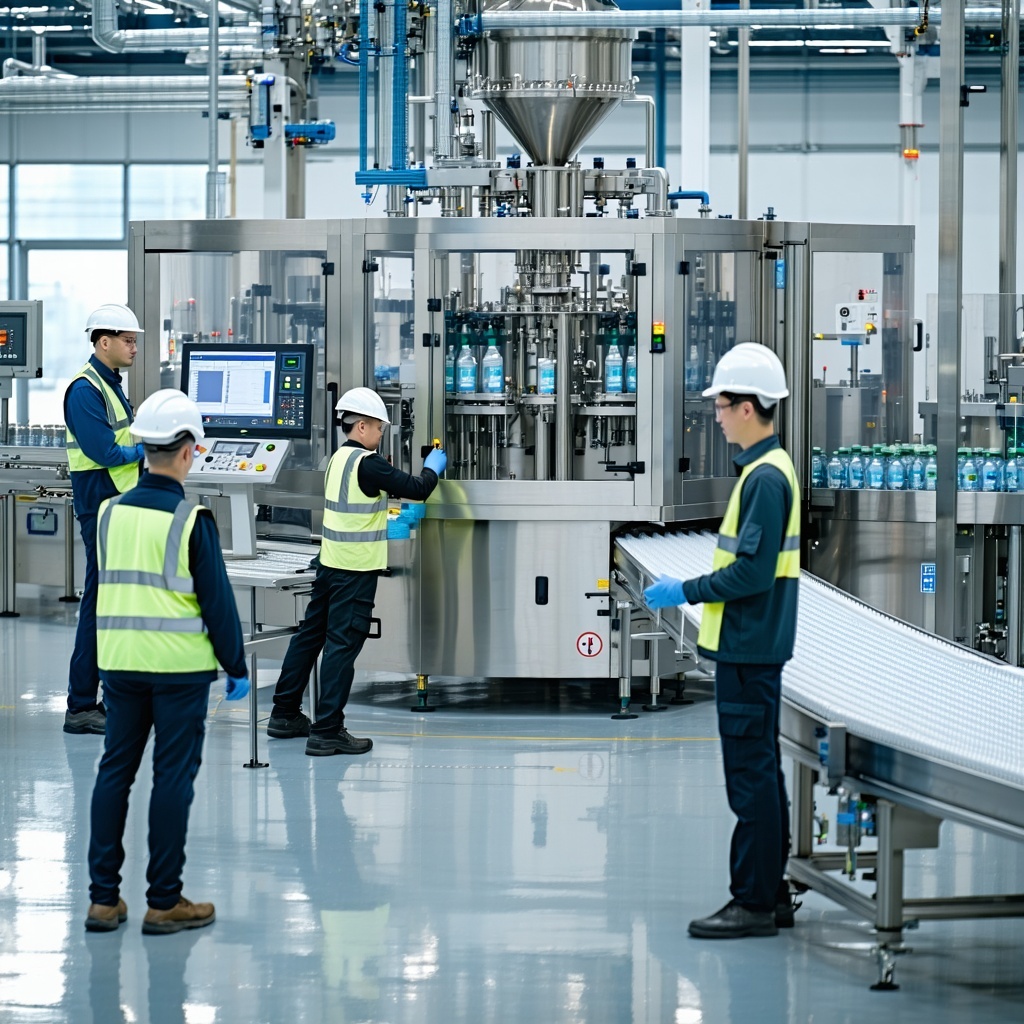
In any manufacturing environment, the performance of your equipment is only as good as the people operating it. When it comes to liquid filling systems, training operators properly isn’t just a best practice—it’s essential for ensuring safety, maximizing uptime, minimizing waste, and protecting your investment.
At Apex Filling Systems, we don’t just deliver world-class machinery—we also help our customers develop knowledgeable, confident operators who can run their filling lines efficiently and safely from day one.
Here’s how to train your team to get the most out of your equipment while maintaining top-tier safety and production performance.
🔍 Why Operator Training Matters
Well-trained operators are essential to:
✔️ Preventing equipment damage
✔️ Ensuring accurate fills and compliance
✔️ Reducing downtime and bottlenecks
✔️ Minimizing safety risks
✔️ Extending equipment lifespan
Investing in proper training helps ensure your line runs smoothly, safely, and profitably—every shift, every day.
🧑🏫 Step-by-Step Guide to Training Operators on Filling Equipment
✅ 1. Start with Safety Fundamentals
Before touching the machine, operators should understand:
-
PPE (Personal Protective Equipment) requirements
-
How to recognize hazards like pinch points, heat zones, or moving parts
-
Emergency stop procedures and lockout/tagout protocols
-
Basic electrical and mechanical safety (where applicable)
📌 Tip: Conduct safety walkthroughs and make signage and procedures visible and easy to understand at the workstation.
✅ 2. Provide Hands-On Operational Training
Operators should be familiar with every stage of machine use, including:
-
Start-up and shut-down procedures
-
Loading and unloading containers
-
Adjusting fill volumes and speeds
-
Using touchscreen controls or manual settings
-
Changing nozzles, bottle guides, or fill heads
-
Clearing jams or minor faults safely
📌 Tip: Start with slower speeds during training to build confidence, then gradually increase to production pace.
✅ 3. Emphasize Cleanliness and Maintenance
Hygiene and equipment maintenance are especially critical in industries like food, beverage, chemical, and cosmetics.
Operators should learn:
-
Daily cleaning and sanitizing procedures
-
How to perform pre- and post-shift inspections
-
When to replace gaskets, seals, and filters
-
Who to notify for advanced service or diagnostics
📌 Tip: Use visual aids like laminated cleaning checklists at the machine.
✅ 4. Customize Training to Your Products and Containers
No two filling applications are identical. Operators must be trained based on your specific:
-
Product viscosity and fill behavior (foaming, corrosive, etc.)
-
Container sizes and materials
-
Labeling or capping integration
-
Changeover procedures between product lines
📌 Tip: Create reference sheets for each product type, container, and run configuration.
✅ 5. Conduct Refresher Training and Assessments
Operator turnover, process changes, or equipment upgrades make ongoing training essential. Set regular intervals for:
-
Refresher courses
-
Skills assessments or checklists
-
Troubleshooting scenario drills
-
Cross-training among team members
📌 Tip: Make training part of your onboarding, quality control, and safety review processes.
📦 What Apex Includes with Every System
At Apex, we go beyond delivery—we provide:
✅ Onsite or virtual startup training
✅ Easy-to-follow manuals and guides
✅ Ongoing support for maintenance and troubleshooting
✅ Operator-friendly interfaces and controls
Whether your operators are new or experienced, we help them get up to speed with the confidence to run efficiently from day one.
💬 FAQs
1. How long does it take to train someone on a new filling machine?
Initial training typically takes a few hours to a couple of days depending on system complexity. With Apex's intuitive designs, most operators are confident quickly.
2. Do I need certified technicians to run the machine?
Not at all. Apex machines are designed for ease of use. Any team member can operate them safely with proper training—no special certification required.
3. What happens if we hire new staff later on?
We offer training refreshers, virtual support, and documentation so new operators can be onboarded quickly.
🤝 Apex Filling Systems: Built for Safety. Backed by Support.
Your filling system is only as strong as your team. That’s why Apex delivers not only precision-engineered equipment, but also the resources and training your operators need to keep production safe, consistent, and efficient.
Whether you're onboarding a new team or preparing to scale, we’ll make sure your operators are ready for the job—today and tomorrow.
👉 Contact us today to learn more about our operator training programs.
👉 Explore our operator-friendly filling equipment.
Share this
- Help First (97)
- Apex Filling Systems (78)
- Filling Equipment (76)
- Informational (70)
- Automatic Filling Machine (59)
- Industry Insights (59)
- Packaging Equipment (47)
- About Apex (20)
- American Made Goods (20)
- Fillers (18)
- Automatic Capping (11)
- Apex Filling (10)
- Apex (7)
- Uncategorized (5)
- Apex Team (3)
- Apex Family (2)
- Absolute Truth (1)
- Apex Way (1)
- Petroleum (1)
- oil (1)
- August 2026 (1)
- July 2026 (5)
- June 2026 (4)
- May 2026 (5)
- April 2026 (4)
- March 2026 (4)
- February 2026 (1)
- January 2026 (2)
- December 2025 (4)
- November 2025 (4)
- October 2025 (5)
- September 2025 (3)
- June 2025 (3)
- May 2025 (6)
- April 2025 (10)
- March 2025 (10)
- February 2025 (12)
- January 2025 (14)
- December 2024 (1)
- November 2024 (4)
- October 2024 (4)
- September 2024 (2)
- August 2024 (1)
- July 2024 (4)
- October 2022 (1)
- September 2022 (1)
- June 2022 (1)
- October 2021 (2)
- June 2021 (1)
- May 2021 (1)
- April 2021 (2)
- March 2021 (2)
- February 2021 (1)
- January 2021 (2)
- November 2020 (1)
- October 2020 (1)
- September 2020 (2)
- August 2020 (1)
- July 2020 (1)
- June 2020 (1)
- May 2020 (1)
- April 2020 (2)
- March 2020 (2)
- February 2020 (2)
- January 2020 (3)
- December 2019 (2)
- November 2019 (6)
- October 2019 (4)
- September 2019 (3)
- August 2019 (6)
- July 2019 (2)
- April 2019 (1)
- February 2019 (1)
- January 2019 (7)
- December 2018 (6)
- November 2018 (5)
- October 2018 (2)
- September 2018 (2)
- August 2018 (1)
- July 2018 (3)
- May 2018 (2)
- April 2018 (1)
- March 2018 (2)
- February 2018 (2)
- January 2018 (2)